
Team Fatigue and Back-to-Back NHL Betting
 Available in US

ROI Data on Fatigued NHL Rosters
About once a fortnight a friend of mine messages me a screenshot of a moneyline on a home favourite and asks why I am not on it. Half the time my answer is the same: it is the second night of a back-to-back. He almost always disagrees, places the bet anyway, and almost as often loses. The pattern is so consistent that I built a small tracker just to record his results. Across the 2023-24 season it told a story even he found hard to ignore.
For UK bettors, NHL schedules are easy to miss. The matchups are listed, the home and away sides are clear, but the previous night’s game is invisible unless you go looking. Going looking is precisely where most punters are losing units they did not even know they had wagered.
What “back-to-back” actually means in the NHL
A back-to-back is any pair of games played by the same team on consecutive nights. Some involve travel between two cities, some are home-then-road, some are road-then-home. The fatigue effects differ for each scenario, but the headline finding from the 2023-24 season is brutal: the more-rested team finished the year at 347-277 with +13.96 units of profit at standard prices, while the less-rested team posted 277-347 for a 10.7 per cent ROI loss. That is not a hairline edge. That is a structural market mispricing the public keeps subsidising.

The schedule asymmetry across the league is part of the story. New Jersey played sixteen back-to-back pairs in 2023-24 — thirty-two games, roughly forty per cent of their season — while Seattle played only seven pairs. That distribution alone means certain teams arrive at the betting market over-loaded with second-night fixtures, and the public underweights how exhausting that becomes by February.
The home back-to-back trap
Here is the bit casual bettors get wrong. They assume the home ice cancels the fatigue. It does not. Home teams playing on the back end of a back-to-back finished the 2023-24 season 58-61, losing 11.89 units with a negative ten per cent ROI, despite having slept in their own beds. Home ice is worth something, but it is not worth the second night of legs.
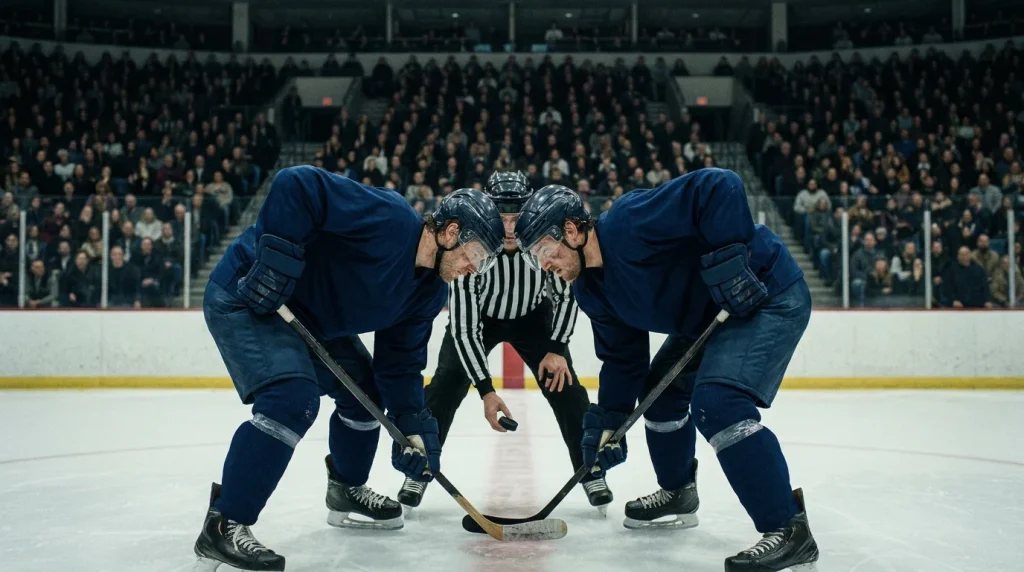
Why does this happen? Three reasons stack. First, the home crowd does not skate for you. Second, the rested visiting team often shows up specifically targeting the front-end opponent — they have practice tape, scout reports and fresh legs. Third, home back-to-backs are often the second leg of a home-and-home or a quick road trip with travel, so “home” can be deceptive when the team got back at 3am.
I have not bet a home favourite on the second night of a back-to-back without a specific lineup reason in two seasons. I have not regretted it once.
Scheduling asymmetry is the season-long edge
The single most useful piece of information I check at the start of every NHL betting week is the back-to-back map for the league. Which teams are entering one, which are exiting one, which are mid-stretch on a four-in-six. The first of these matters less than people think — teams playing the first night of a back-to-back are not noticeably worse, because the fatigue is forward-looking. The second night is the only side of the pair that consistently shows up in the data.
What I look for specifically: a team on the back end of a back-to-back, on the road, having flown in late, against an opponent that has had two or more days off. That stack of factors is the strongest fatigue signal the schedule produces, and the market typically prices it about half as harshly as the historical ROI suggests it should.
The reverse is also useful. Backing a well-rested home team against a tired road opponent is one of the cleaner +EV angles in NHL betting. It does not happen as often as you would like, but when the matchup lines up, the price is almost always favourable. A +2.2 per cent ROI on rested teams across an entire 1,300-game sample is the kind of edge that compounds quietly over a season.
How tired teams actually play
Watch a second-night team on a tape delay and three patterns appear. They start strong — adrenaline carries them through the first ten minutes — and then collapse in the second period. Faceoff win rates dip. Defensive zone exits become turnovers. The third period either becomes a desperate comeback if they are within one goal, or a flat skate-it-out if they are trailing by two. None of this shows up cleanly in the boxscore, but all of it shows up in the totals.
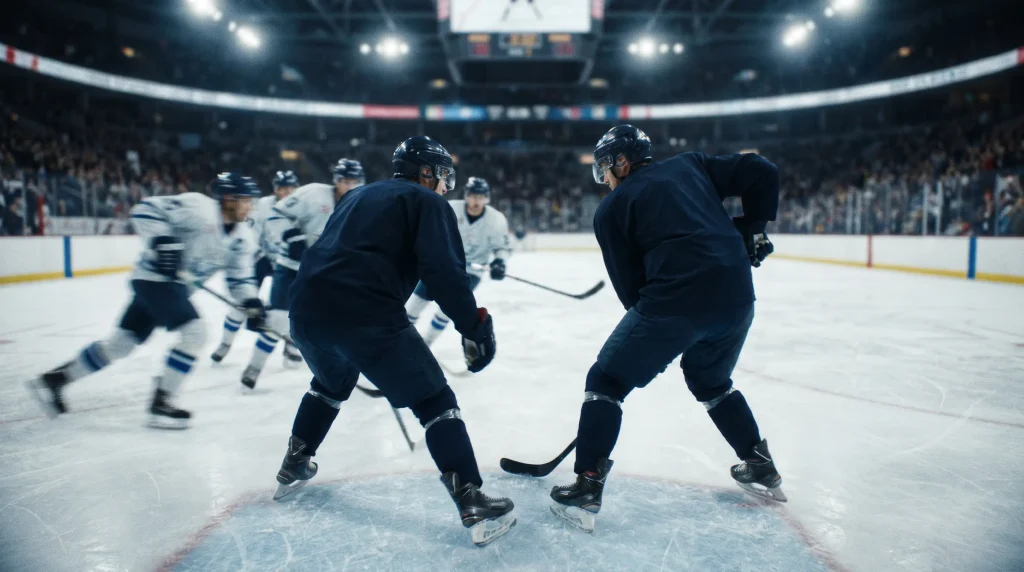
The totals angle is the one I lean on more than the moneyline these days. Tired teams skew low on goals scored and high on goals conceded. The combined under on second-night home teams has been a quietly profitable angle for several seasons, especially in matchups where the opponent ranks bottom-ten in pace.
“Everybody’s tired — not just our team, all the teams,” Jon Cooper said back when the NHL was running condensed schedules. The honest answer is yes, but they are not equally tired on any given night, and that asymmetry is what bettors should be hunting.
What this looks like in a real week
A standard NHL week has roughly twenty-five to thirty back-to-back legs depending on the slate. Half of those involve a tired team that is also on the road, which is the strongest fatigue spot. About a quarter involve a tired team at home, which is the spot most punters get wrong. The remaining slate is mixed — short rest versus short rest, or back-to-back versus three days off — and the prices are usually fairer.

I bet roughly five to seven fatigue-driven plays a week. Most of them are unders, a handful are moneyline plays on the rested side, occasionally a puck-line cover on the rested favourite. The hit rate is not spectacular — fatigue is one factor among many, not a magic predictor — but the prices are generous enough that the long-run number stays positive.
One more thing worth saying: do not double-count. If your model already includes a pace-adjusted goals projection that downgrades the tired team, do not also bet the moneyline against them as a separate angle. The market is correlated; your bets should be too, or at least you should know which way they are correlated.
What I check before clicking the stake button
My pre-bet routine on a fatigue spot has four boxes. Confirmed starting goalies for both sides — a backup behind a tired team often kills the price. Travel distance and arrival time, which I usually pull from flight data on the route. Injury reports, because a key forward going down can warp the totals more than the schedule effect. And the line history: if the price has already moved a full goal toward the rested side, the edge is gone.

UK punters benefit from one thing here. The late puck drops mean most of my fatigue research happens after dinner, with a fresh head, before the lines stabilise overnight. By the time the US bettors are waking up, the prices have usually moved past where I would have wanted them. Time-zone advantage, used properly, is real.
The longer treatment of starting-goalie influence on those tight back-to-back prices sits in the starting goalie impact on NHL odds guide, which pairs naturally with the fatigue framework here.
Is the second night of a back-to-back always a bad bet?
Not always — it depends on the matchup. A tired team facing a weak opponent at home can still cover. The rule of thumb is to fade tired teams when they are on the road against a rested opponent, which is the cleanest version of the fatigue edge. Home back-to-backs are the trap most casual bettors fall into.
Which NHL teams play the most back-to-backs in 2024-25?
Schedules rotate, but distribution is wildly uneven. In 2023-24 New Jersey played sixteen back-to-back pairs while Seattle played only seven. Checking your team"s pair count at the start of the season tells you which months will be punishing and which will be light.
Should I fade road teams ending a four-in-six stretch?
Yes, and more confidently than a standard back-to-back. Four games in six nights stacks travel onto fatigue. The compound effect on totals is more reliable than a single back-to-back, and the market rarely prices it fully. This is one of the cleaner unders on the NHL board.
Articles
Written by the editors at Ice Hockey Betting Tips.
